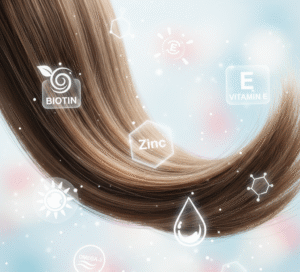
No products in the cart.


The Science Behind Hair Growth: Nutrients Your Hair Needs Daily
Have you ever wondered why some people seem to have naturally thick, shiny hair while others struggle with thinning or brittle strands? The secret often lies not just in genetics, but in nutrition. The science behind hair growth is fascinating and reveals that what you eat every day can have a major impact on the health and appearance of your hair. If you’re curious about which vitamins for hair growth are most important, keep reading to discover the essential nutrients your hair needs daily.
Understanding Hair Growth
Hair grows from follicles beneath your scalp, and each hair strand follows a cycle of growth, rest, and shedding. For your hair to grow strong and healthy, the cells in your follicles need a steady supply of nutrients. When your body lacks these nutrients, hair growth can slow down, and you may even notice increased hair loss or dullness.
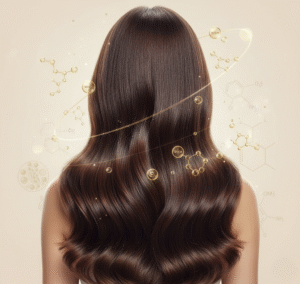
Which Vitamins for Hair Growth Are Essential?
Biotin (Vitamin B7)
One of the most talked-about nutrients when it comes to hair is biotin. Biotin helps your body produce keratin, the protein that forms the structure of hair. If you’re not getting enough biotin, you might notice your hair becoming weak or thinning. Foods such as eggs, various nuts, and whole grains provide a rich supply of biotin.
Vitamin A
Vitamin A supports the production of sebum, an oily substance that moisturizes the scalp and keeps hair healthy. However, balance is key—too much vitamin A can actually contribute to hair loss. Carrots, sweet potatoes, and leafy greens are all rich in this vitamin.
Vitamin C
Vitamin C is a powerful antioxidant that protects hair follicles from damage by free radicals. It also helps your body absorb iron, another mineral important for hair growth. Vitamin C can be found abundantly in fruits like oranges and strawberries, as well as in bell peppers.
Vitamin D
Many people are surprised to learn that vitamin D plays a role in creating new hair follicles. A deficiency in vitamin D has been associated with thinning hair. You can get vitamin D from sunlight, fatty fish, and fortified foods.
Vitamin E
Vitamin E is another antioxidant that helps maintain a healthy scalp and improves blood circulation, ensuring hair follicles get the nutrients they need. You’ll find vitamin E in nuts, seeds, and spinach.
Other Key Nutrients for Hair
While knowing which vitamins for hair growth are important, don’t forget about other nutrients like iron, zinc, and protein. Iron helps red blood cells carry oxygen to hair follicles, zinc aids in tissue repair, and protein provides the building blocks for strong hair.
Daily Tips: How to Get the Best Vitamins for Hair Growth
To give your hair the best chance to grow healthy and strong, focus on a balanced diet full of colorful fruits, vegetables, lean proteins, and whole grains. If you’re considering supplements and wondering which vitamins for hair growth to choose, talk to your doctor first to ensure you’re making the best choice for your body.
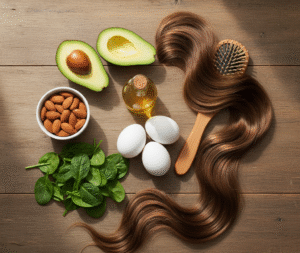
Solution: Argan Oil for All Hair Problems
If you’re searching for a natural solution to common hair problems, consider using argan oil. Rich in Vitamin E, antioxidants, and essential fatty acids, argan oil nourishes the scalp, strengthens hair follicles, and restores shine and moisture. Regular application of argan oil can help reduce dryness, frizz, and breakage, making it an excellent choice for anyone looking to improve hair health alongside a balanced diet and vitamin intake.
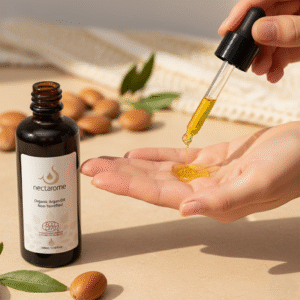
Shop Now
Conclusion
Healthy hair starts from within. By understanding which vitamins for hair growth are essential and making sure you get enough of them every day, you can support your hair’s natural growth cycle and enjoy beautiful, resilient strands. Remember, there’s no quick fix, but with the right nutrients, your hair can thrive.
Ready for Healthier, Stronger Hair?
Try our premium Organic Argan Oil Non-Torrefied today and experience the difference!
Nourish your hair naturally and say goodbye to common hair problems.
Order now and start your journey to beautiful, vibrant hair!
FAQs
Which vitamins for hair growth are the most effective?
The most effective vitamins for hair growth include biotin (Vitamin B7), Vitamin D, Vitamin E, Vitamin A, and Vitamin C. These support hair follicle health, scalp circulation, and overall hair strength.
Can taking which vitamins for hair growth really stop hair loss?
While vitamins alone may not cure all types of hair loss, deficiencies in certain vitamins like biotin, Vitamin D, or iron can contribute to thinning hair. Supplementing these may help improve hair growth if you have a deficiency.
How long does it take for which vitamins for hair growth to show results?
Results vary, but most people notice improvements in hair strength and thickness within 3 to 6 months of consistent vitamin intake, provided the hair loss was due to a deficiency.
Are there side effects from taking too many vitamins for hair growth?
Yes, excessive intake of certain vitamins (especially Vitamin A and E) can lead to side effects, including hair loss. Always follow recommended dosages and consult a healthcare provider before starting supplements.
Do I need supplements, or can I get which vitamins for hair growth from food?
Many people can get enough vitamins for hair growth through a balanced diet rich in fruits, vegetables, lean proteins, and whole grains. Supplements may be helpful if you have a diagnosed deficiency or dietary restrictions.